Electric vehicles
Battery costs, model choice and fleet policy are moving EV adoption beyond early adopters.
UK status: expanding
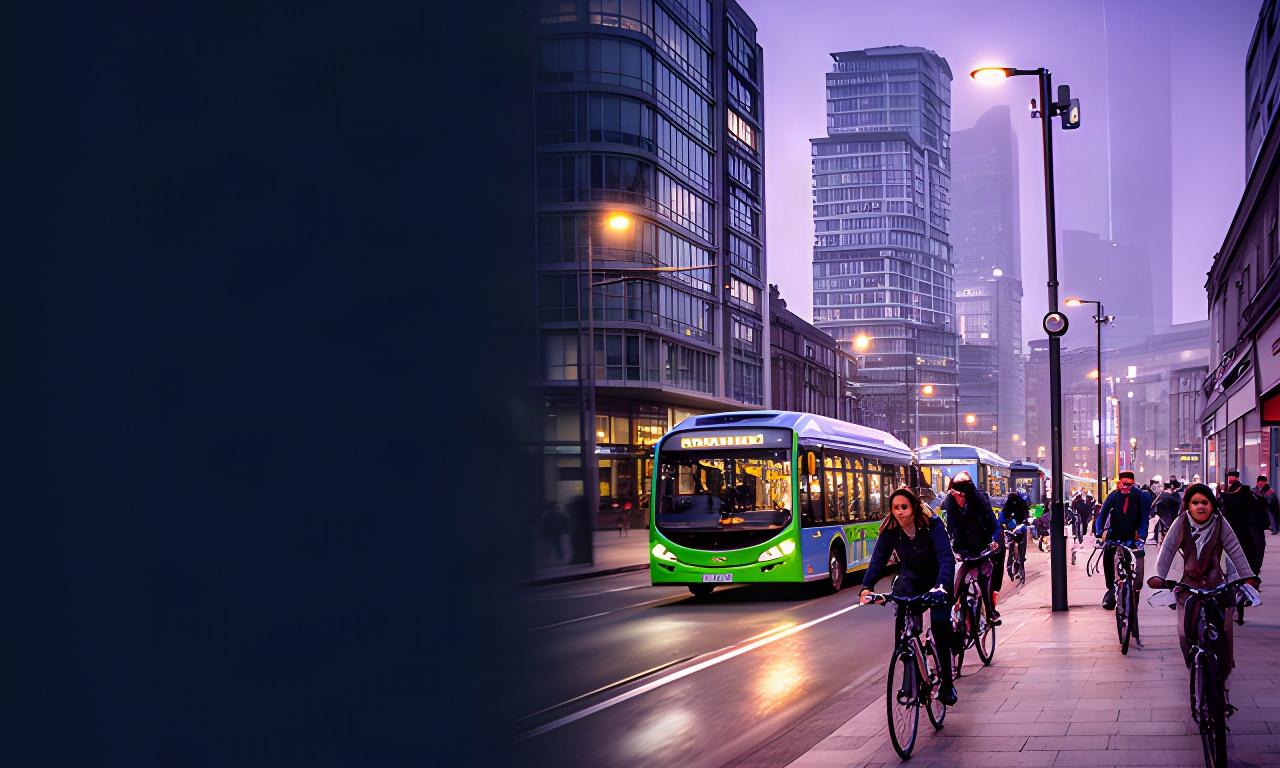
EVs, autonomous transport and smart city systems are changing how people move, live and build. We follow the decisions that will shape the next decade.
Explore the signalsEach shift brings a practical question for operators, councils and residents. These are the areas we track most closely.
Battery costs, model choice and fleet policy are moving EV adoption beyond early adopters.
UK status: expanding
Public charging needs to work for flats, motorways, rural towns and commercial fleets.
UK status: scaling
Pilot schemes are testing safety, public trust and the rules for vehicles without a driver.
UK status: piloting
Live data helps connect buses, bikes, parking and road space around actual demand.
UK status: connecting
Clean buses, demand-responsive routes and better interchange can make fewer cars practical.
UK status: redesigning
EV sales are rising, while charging provision must keep pace with drivers who park on streets, run delivery fleets or travel between smaller towns. Grid capacity and local planning now matter as much as battery range.
Battery-electric cars now registered across the UK, a marker of a market moving into its next phase.
Public charging locations reported across the UK network, with regional gaps still under review.
Range anxiety is easing for many drivers. Connection queues, apartment charging and local grid upgrades need sharper answers.
Follow battery technologyUseful systems start with a clear public outcome. They also need a firm answer on who can see and retain the data.
Smart parking and traffic systems help councils manage scarce road space and reduce unnecessary circulation.
Focus: movement data
Intelligent street lighting shows how lower energy use can sit alongside better service monitoring.
Focus: energy savings
Transport data projects are helping planners understand how people move between districts and services.
Focus: traffic reduction
Sensors should earn public support through clear notices, limited collection and accountable access.
Focus: data privacy
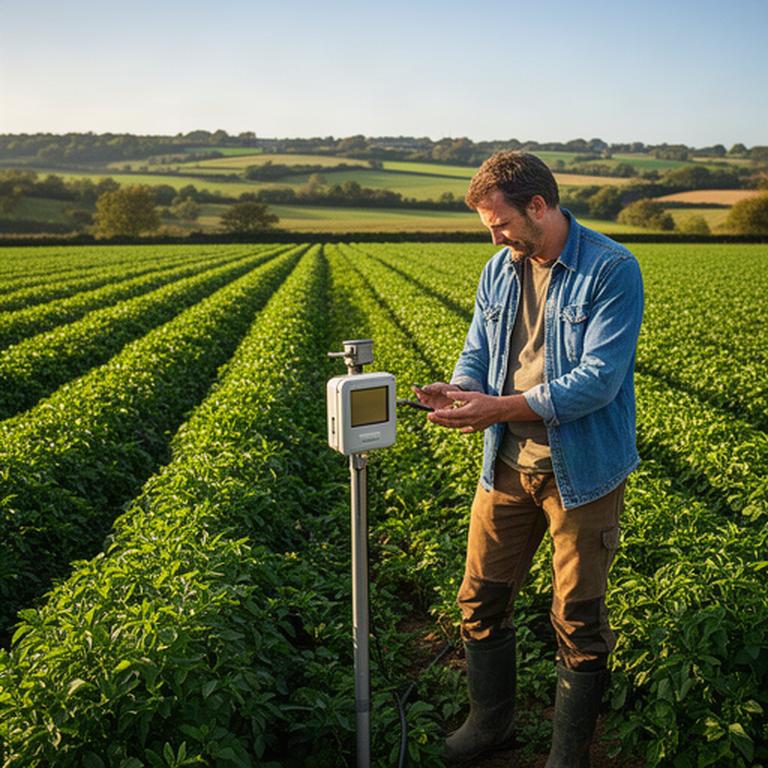
Drones map crop stress. Soil sensors guide irrigation. Farm teams can act on field-level evidence instead of treating every acre the same.
Food biotechnology adds another route to resilient supply. The useful question is practical: can the method improve yield, reduce waste or make inputs more precise?
Moisture readings direct water where crops need it.
New processes can extend shelf life and reduce waste.
Digital building models, automated machinery and connected estates are changing decisions made on site and after handover.
BIM gives teams a shared model. Robotics can take on repetitive site work. 3D printing is testing where materials and labour can be used more carefully.
Case signal
The strongest projects connect the digital plan to procurement, safety checks and the finished building.
Smart building controls can track energy use, while tenant apps make repairs and shared spaces easier to manage.
Case signal
Investment is moving towards tools that show a measurable operating result after occupancy.
See how robotics, sensors and building data fit together in real projects.
Short reads for people making plans, setting policy or deciding where technology belongs next.
Mobility · 6 min read
Safety evidence, passenger confidence and clear responsibility matter more than a polished demonstration.
Infrastructure · 4 min read
Charging demand changes the timetable for substations, planning teams and commercial property owners.
Built environment · 5 min read
The strongest products show how building teams save energy, resolve faults or improve daily use.
Follow Peak Forge Ltd. for clear reporting on autonomous transport, EV infrastructure and future cities.